
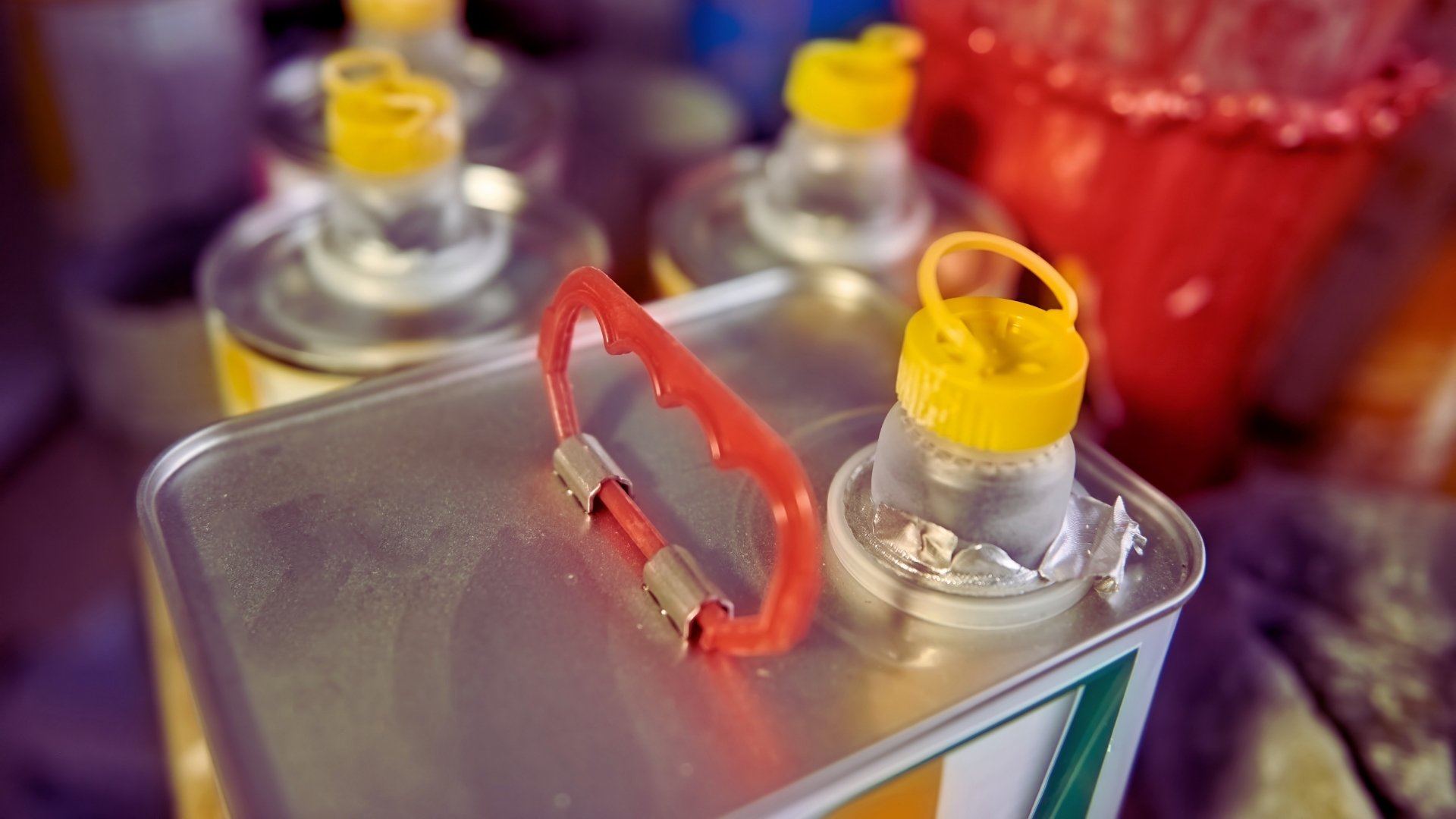
You might recognize the distinct hiss of a nitrous canister or the heavy chemical scent that lingers long after the lightheadedness fades. It’s disorienting to realize that a brief escape has turned into a cycle that leaves you feeling hazy and disconnected from your goals. You’re not alone in feeling stuck, and there’s a clear path forward that focuses on your strength and ability to heal.
Finding an effective inhalant addiction treatment program provides the structure you need to clear the fog and reclaim your focus. This guide explains the steps of stabilization, evidence-based therapy, and how to choose a level of care that fits your life. We’ve designed this overview to show you exactly how the recovery process works so you can move forward with clarity.
Quick Takeaways
- Inhalant abuse often requires professional stabilization to manage withdrawal safely.
- Behavioral therapies like CBT are essential for treating the root causes of addiction.
- Choosing the right level of care ensures safety while rebuilding daily routines.
- Recovery is a long-term process that continues well after initial treatment ends.
Step 1: Recognizing When Inhalant Use Disorder Treatment Is Needed

Inhalant use disorder is characterized by a pattern of inhalant use that continues even when it causes harm, such as problems at work or school, conflict in relationships, or worsening physical and mental health. If you find yourself prioritizing obtaining inhalants over work or family obligations, professional support is likely necessary.
It’s normal to feel hesitation about reaching out for help because of the stigma often attached to inhalant abuse. However, acting quickly can prevent the escalation of long-term health issues and social isolation. Recognizing that you need assistance is a sign of strength that sets the foundation for your recovery journey.
Doctors and clinicians look at several factors to determine the severity of the issue. They assess how often you use substances like nitrous oxide or volatile solvents and how much time you spend recovering from their effects. Ongoing memory, concentration, or coordination problems can be a sign that your body and brain need medical support during recovery.
Step 2: Treating Inhalant Abuse Through Stabilization and Support
The first phase of recovery focuses on clearing your system and establishing physical safety. You might not need the same medical detox protocol used for alcohol, but stabilization is still a critical part of the process. A healthcare provider will monitor your vital signs to catch any complications early and manage your physical comfort.
Suddenly stopping drug use can lead to uncomfortable withdrawal symptoms like sleep disturbances, tremors, or irritability. Having a medical team nearby provides peace of mind while your body adjusts to functioning without substances. They provide the emotional and physical support required to get through those first difficult days when cravings are often strongest.
Early stabilization generally includes several key components designed to keep you safe:
- Medical monitoring as needed allows staff to track heart rate and oxygen levels.
- Emotional support and reassurance help you manage anxiety and agitation.
- Structured routines minimize downtime to reduce cravings and establish normalcy.
- Safety planning around limiting access to inhalant products creates a secure environment.
These measures create a foundation of stability that allows you to focus on the psychological work ahead.
Step 3: Treating Inhalant Use Disorder With Evidence-Based Therapy
Once you feel physically stable, the focus shifts to addressing the psychological roots of the addiction. Behavioral therapy is an effective tool for treating inhalant abuse because it targets the thought patterns driving the behavior. You’ll work with a counselor to identify the specific emotions or situations that trigger your urge to use.
Clinicians typically rely on the following therapeutic approaches when treating inhalant use disorder.
- Cognitive behavioral therapy (CBT) helps change negative thinking patterns and behaviors.
- Motivational Interviewing strengthens your personal commitment to positive change.
- Individual counseling provides private space for processing trauma or personal struggles.
- Family or support-system involvement helps heal relationships and build a recovery network.
Your care team will combine these methods to create a personalized plan that addresses your unique history and goals.
Step 4: Choosing The Right Treatment Center For Inhalant Addiction
Selecting the appropriate environment is a vital decision in your recovery journey. Because many abused inhalants are legal and widely available, staying in your current environment might make stopping difficult. Residential care can limit access in the short term while you build coping skills and stabilize.
However, not everyone requires 24/7 monitoring, so it helps to match the program intensity to your specific needs. An assessment will help determine if you need the structure of inpatient care or if you can succeed with outpatient treatment. The goal is to find a level of care that balances safety with your daily responsibilities.
The following table outlines the different levels of care available for inhalant addiction treatment:
| Level of Care | Who It’s Best For | Key Features |
| Residential/Inpatient | Severe inhalant addiction | 24/7 support and highly structured care |
| Partial Hospitalization | Moderate inhalant use disorder | Intensive therapy with daily structure |
| Outpatient Treatment | Stable individuals with support | Flexible scheduling and ongoing therapy |
Discussing these options with an admissions specialist will help clarify which path offers the best chance for your long-term success.
Step 5: Treating Inhalant Abuse Within A Structured Recovery Plan

A structured treatment plan acts as a roadmap for navigating daily life without substance use. Inhalant products are found in almost every home and garage, which makes strict accountability essential. Your recovery plan will help you identify high-risk environments and create strategies to navigate them safely.
Routine plays a massive role in reducing the idle time that often leads to cravings. You’ll develop a daily schedule that prioritizes healthy activities and keeps you focused on your goals. This structure provides a sense of purpose and helps retrain your brain to find satisfaction in sober activities.
Effective treatment programs for inhalant abuse may also address the specific neurological challenges associated with these substances. If you’re dealing with concentration, memory, or coordination problems, your care plan may include neurocognitive screening and supportive therapies (like skills work or occupational therapy) to help you function day to day. This comprehensive approach helps you heal mentally and physically.
Step 6: Treating Inhalant Abuse Beyond The Initial Program
Leaving a treatment center doesn’t mean your recovery journey is complete. Treating inhalant abuse requires ongoing effort to maintain the progress you’ve made during the initial program. Aftercare plans are designed to support you as you transition back into work, school, and family life.
Continuing with therapy allows you to address new challenges as they arise in the real world. Connecting with peers who understand what you’re going through reduces isolation and reinforces your commitment to sobriety. This network becomes a safety net when things get tough or when you feel tempted to return to old habits.
When To Seek Immediate Help For Inhalant Use
Sometimes the situation requires urgent medical attention rather than a scheduled intake. Recognizing the signs of an acute medical crisis can save your life or the life of a loved one. You should watch for specific physical indicators that suggest the body is failing to process the toxins safely.
- Slurred speech or severe confusion
- Severe difficulty breathing or gasping for air.
- Chest pain or a noticeably irregular heartbeat.
- Seizures or uncontrollable tremors.
- Sudden loss of consciousness or inability to wake up.
If you encounter any of these symptoms, call emergency services and state clearly that an inhalant overdose is suspected. According to the National Institute on Drug Abuse, Sudden Sniffing Death Syndrome can happen even to first-time users. Don’t wait to see if the symptoms pass on their own if you suspect an emergency.
Frequently Asked Questions About Inhalant Abuse Treatment
How long does treatment for inhalant abuse take?
Most treatment programs for inhalant abuse vary in length based on individual needs. The initial stabilization phase addresses acute withdrawal, while longer-term therapy focuses on behavioral changes and preventing relapse for chronic inhalant abusers.
Do I need detox for inhalants?
While a formal medical detox isn’t always required, medical monitoring is crucial during the stabilization phase. Healthcare providers ensure safety as the body clears toxic chemicals, managing potential complications like heart irregularities or severe agitation often seen during inhalant withdrawal.
Is therapy effective for inhalant addiction recovery?
Yes, behavioral therapies are highly effective in treating inhalant use disorder by targeting the psychological roots of addiction. Techniques like cognitive behavioral therapy help patients identify triggers, manage cravings, and build healthier coping mechanisms to replace the urge to use volatile substances.
Moving From Crisis To Stability In Inhalant Addiction Recovery
Taking the first step toward recovery helps you reclaim control over your health and your life. Moving through a structured treatment process allows you to heal physically while learning the skills needed for long-term sobriety. You can build a future defined by hope rather than dependence.
If you or a loved one is struggling with inhalant abuse, you don’t have to face it alone. Contact Northwoods Haven Recovery today to learn more about our compassionate treatment programs. Let us help you take the first step toward a healthier future.