

You might assume that household products such as spray paint, aerosol sprays, and fabric protector sprays pose risks only if ingested or misused repeatedly. The truth is more alarming. Inhaling certain inhalants (especially hydrocarbon-based products like butane, propane, and toluene-containing solvents) can trigger sudden cardiac arrest even after a single use, a phenomenon known as sudden sniffing death syndrome.
Sudden sniffing death syndrome represents one of the most immediate dangers of inhalant abuse because it can happen to anyone, including first-time users. This article explains what makes sudden sniffing death syndrome uniquely dangerous and how inhalant addiction treatment can support recovery.
Quick Takeaways
- Sudden sniffing death syndrome can occur after a single use of inhalants, even in first-time users.
- Inhalants sensitize the heart to adrenaline, making it prone to fatal arrhythmias during stress or sudden movement.
- Cardiac arrest from SSDS can occur during use or immediately afterward, sometimes with little to no warning.
- Many commonly available inhalants can trigger SSDS. Because effects are unpredictable, there is no safe amount to inhale for intoxication.
- Early warning signs of inhalant abuse include chemical odors on clothing, paint stains around the mouth, and empty aerosol containers in unusual places.
- Inhalant use disorder is treatable through evidence-based therapies, including cognitive behavioral therapy, family therapy, and support groups.
What Makes Sudden Sniffing Death Syndrome Different From Other Drug Emergencies
Sudden sniffing death syndrome operates on a different timeline and through different mechanisms than most substance-related emergencies. To grasp why this condition is so uniquely dangerous, you need to understand both what it is and how it differs from other risks associated with inhalant abuse.
Defining Sudden Sniffing Death Syndrome
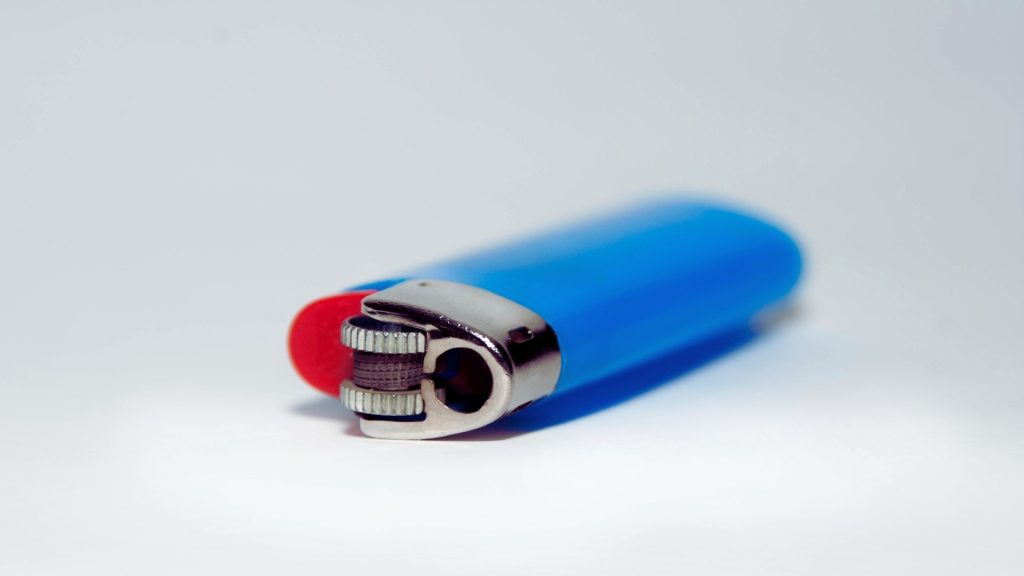
Sudden sniffing death syndrome occurs when chemicals in inhalants sensitize heart cells to adrenaline, making the heart prone to life-threatening arrhythmias. Unlike other substance-related deaths that develop over time or require repeated exposure, SSDS can strike without warning during or shortly after inhaling volatile solvents. The heart simply stops beating, often before the person has even lowered the can of spray paint or butane lighter they were using. What makes this particularly frightening is that sudden sniffing death syndrome doesn’t discriminate based on frequency of use.
How SSDS Differs From Other Inhalant-Related Risks
Inhalant abuse causes multiple types of harm to the body, but sudden sniffing death syndrome stands alone in its immediacy and the mechanisms involved. Physical signs of other inhalant-related problems may develop gradually, while SSDS can cause death before anyone realizes something is wrong.
| Risk Type | Timeframe | Primary Mechanism | Warning Signs |
| Sudden Sniffing Death Syndrome | Seconds to minutes | Cardiac sensitization to adrenaline, causing a fatal arrhythmia | Collapse during or immediately after use, often during movement or stress |
| Inhalant Overdose | Minutes to hours | Central nervous system depression, respiratory failure | Confusion, unconsciousness, severe intoxication, slowed breathing |
| Suffocation/Asphyxiation | Minutes | Chemical vapors displace oxygen in the lungs, a plastic or paper bag blocking the airways | Blue lips, gasping, loss of consciousness from oxygen deprivation |
| Long-Term Inhalant Toxicity | Months to years | Damage to the brain, liver, and kidneys from chronic chemical exposure | Cognitive decline, muscle weakness, hearing loss, and organ failure symptoms |
The table above shows that while inhalant use disorder creates multiple pathways to serious harm, sudden sniffing death syndrome operates on its own timeline.
The Science Behind Why Inhalants Cause Sudden Death
The biological mechanisms that make sudden sniffing death syndrome possible involve your heart, your nervous system, and your body’s natural stress response. Learning how these systems interact when exposed to volatile substances helps explain why even a single use can prove fatal.
Cardiac Sensitization and the Heart
When you inhale volatile substances from products like spray paint, butane, or propane, the chemicals rapidly enter your bloodstream through the lungs. These substances sensitize the cells in the heart to adrenaline, making it more prone to life-threatening arrhythmias. Think of it like turning up the volume on your heart’s response to stress hormones to a dangerous level. The chemicals in abused inhalants (particularly halogenated hydrocarbons found in refrigerants and aerosol sprays) change how your heart muscle responds to signals from your nervous system.
The Adrenaline Response
Your body releases adrenaline naturally as part of its fight-or-flight response to perceived threats or sudden demands for action. During inhalant use, collapse typically occurs when triggered by exertion or emotional distress, such as a parent unexpectedly entering a room, triggering a fight-or-flight response. This creates a deadly combination: a sensitized heart suddenly flooded with stress hormones. What makes this particularly tragic is that the very act of trying to hide inhalant abuse can trigger the fatal event.
When Cardiac Arrest Happens
The cardiac arrest caused by sudden sniffing death syndrome happens with shocking speed. Sudden cardiac or respiratory arrest typically occurs during or directly after inhalant use, almost always triggered by exertion or emotional distress. In many cases, individuals collapse while still holding a paper or plastic bag containing chemical vapors.
Recognizing Danger and Taking Action
Knowing the warning signs of inhalant abuse and the symptoms of sudden sniffing death syndrome can save a life. Early intervention and immediate emergency response represent your best tools for preventing tragedy and connecting people with the help they need.
Early Warning Signs of Inhalant Use
Physical signs of inhalant abuse often appear before a person develops inhalant use disorder, giving you an opportunity to intervene. Watch for these indicators that someone may be inhaling volatile substances:
- Chemical odors on breath, clothing, or in living spaces (particularly scents from paint thinners, correction fluids, or hair sprays).
- Paint or stains around the mouth, nose, or on hands and clothing from spray paint or felt-tip markers.
- Empty containers of household products accumulating in unexpected places (butane lighters, whipped cream dispensers, or propane tanks discarded in bedrooms or vehicles).
- Disorientation and slurred speech shortly after being alone, indicating acute intoxication from inhaling chemical vapors.
- Red or runny eyes and nose, sometimes accompanied by nosebleeds, from direct exposure to volatile solvents.
- Drunk-like behavior without alcohol smell (stumbling, poor coordination, or inappropriate laughter from central nervous system effects).
- Chronic headaches, muscle weakness, or tingling sensations that persist beyond immediate intoxication periods.
These physical effects result from inhalants’ direct action on blood vessels and the central nervous system. Recognizing these signs early creates opportunities for intervention before sudden sniffing death syndrome claims a life.
Immediate Danger Indicators
If you witness someone during or immediately after inhalant use, certain signs indicate a medical emergency is unfolding. These symptoms suggest cardiac arrest or severe central nervous system depression:
- Sudden collapse during or right after inhaling.
- Unconsciousness with no response to voice or touch, indicating severe intoxication or cardiac arrest.
- Abnormal breathing (gasping, very slow breaths, or complete absence of breathing).
- Blue-tinged lips or fingernails showing oxygen deprivation.
- Seizure activity or violent muscle contractions from chemical effects on the brain.
- No pulse or erratic heartbeat.
These indicators require immediate emergency response. SSDS can be rapidly fatal, and some people collapse and die before help arrives. This is why immediate emergency response matters. Don’t waste time trying to determine exactly what substance was inhaled or how much.
When to Seek Emergency Help
Call 911 immediately if someone shows any signs of sudden sniffing death syndrome or severe inhalant intoxication. While waiting for emergency responders, take these actions:
- Call 911 first (don’t try to handle the situation alone or wait to see if the person recovers).
- Move the person away from the source of chemical vapors if it’s safe to do so without exposing yourself.
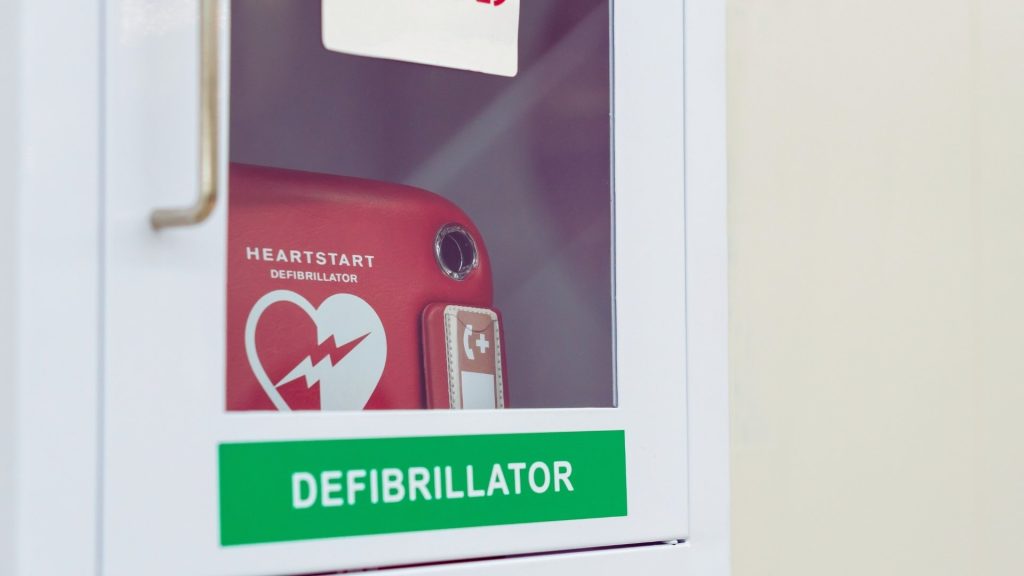
- If the person is unresponsive and not breathing normally, start CPR and use an AED as soon as one is available. Early CPR and defibrillation improve survival in cardiac arrest.
- Place an unconscious, breathing person on their side to prevent choking if they vomit.
- Do not try to induce vomiting or give them anything to eat or drink.
- Stay with the person and provide information to paramedics about what substance was inhaled, if known.
- Save any containers or materials used for inhalation to help medical professionals identify the chemical involved.
Inhalant-related arrhythmias are life-threatening and require emergency medical care. Outcomes vary, but the safest path is prevention and rapid response if someone collapses.
Addressing Inhalant Use Disorder
If inhalant abuse hasn’t yet caused sudden sniffing death syndrome or other medical emergencies, treatment remains possible. Inhalant use disorder responds to evidence-based therapeutic approaches that address both the compulsive use patterns and underlying mental health concerns. Like other substance use disorders, inhalant addiction is a chronic but treatable condition.
Treatment programs for inhalant use typically include cognitive behavioral therapy, family therapy, and support groups that help you build healthier coping mechanisms. Because many people who abuse inhalants began using them in adolescence and may have co-occurring mental health disorders, comprehensive treatment addresses these interconnected issues.
Moving From Risk to Recovery
Sudden sniffing death syndrome demonstrates that inhalant abuse carries immediate, catastrophic risks that don’t require chronic use or escalating doses. The combination of cardiac sensitization and natural adrenaline responses creates a lethal pathway that can claim lives within seconds. If you or someone you care about is struggling with inhalant use, professional help provides the structure and support needed to stop before a tragedy occurs.
Northwoods Haven Recovery offers flexible, evidence-based outpatient care designed to support recovery while honoring your daily life commitments. Our compassionate team provides comprehensive treatment for substance use and co-occurring mental health concerns in a supportive community environment. To learn more about our intensive outpatient and outpatient programs or to take the next step in recovery, contact Northwoods Haven Recovery today.