
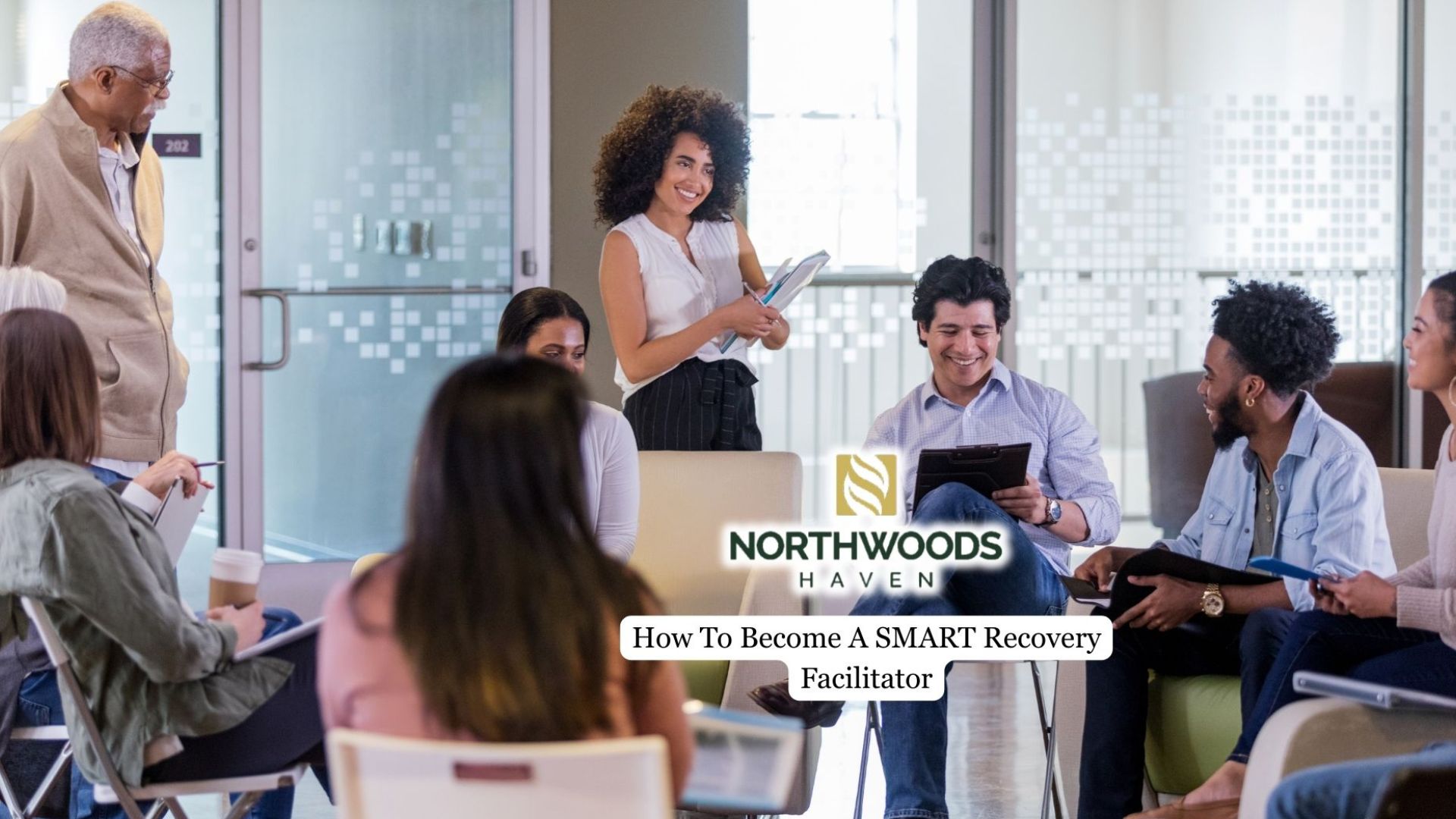
People interested in peer-led addiction recovery programs often look toward SMART Recovery for its practical tools and evidence-based approach. Becoming a SMART Recovery facilitator offers a meaningful way to help others while deepening one’s understanding of self-management skills.
This article outlines the training process, core requirements, and expected responsibilities, so readers know what to expect before stepping into this role.
Understanding the SMART Recovery Model
SMART Recovery focuses on teaching practical coping strategies that help individuals manage addictive behaviors and patterns linked to addiction. The model emphasizes motivation, emotional awareness, balanced decision-making, and long-term habit development. Facilitators use these concepts to support group discussions and encourage participants to apply skills that strengthen daily decision-making.
The program relies on scientific principles rather than spiritual steps, giving facilitators a clear foundation for leading conversations. Learning the model well is an essential first step, as it ensures each meeting stays aligned with its methods. At Northwoods Haven Recovery, our Intensive Outpatient Program in Minneapolis, MN, integrates these principles to support steady progress for individuals seeking practical, science‑based recovery tools.
Meeting the Basic Requirements
Anyone interested in leading SMART Recovery meetings must meet a few core expectations. Applicants need reliable internet access, basic communication skills, and the ability to work with diverse groups. No clinical license is required, making this role accessible to peer supporters, life coaches, and individuals with lived experience.
Ideal facilitators feel comfortable speaking in group environments, managing conversations respectfully, and maintaining a supportive tone. Calm presence, active listening, and willingness to learn are important qualities. While professional backgrounds can be helpful, the process places greater focus on a person’s ability to guide group discussions than on formal credentials.
Completing Official SMART Recovery Training
The official training process is the central step toward becoming a certified facilitator. SMART Recovery offers online modules that cover the four-point approach, cognitive tools, motivational techniques, and effective meeting management. The coursework introduces the science behind addictive behaviors and includes demonstrations of skills facilitators will later use during sessions.
Training materials often include video lessons, reading assignments, practice exercises, and quizzes. Participants also complete role-play scenarios to learn how to respond when conversations become emotionally intense or difficult to navigate. After finishing the program, individuals receive certification confirming they are prepared to lead meetings.
Practicing Group Management Skills
Leading a SMART Recovery meeting requires more than understanding the model. Facilitators must create an environment that supports open conversation while keeping discussions productive. This involves knowing when to redirect topics, when to pause for reflection, and how to help participants identify tools they can apply in daily life.
Facilitators practice skills related to motivational interviewing, emotional regulation, and decision-making support. They also become familiar with methods such as the Destructive Imagery and Self-talk Awareness and Refusal Method (DISARM), which helps roll the discussion. The method encourages a collaborative setting where participants feel comfortable speaking and learning from one another. Participants recognize unhelpful thoughts and learn how to counter them. These abilities keep meetings focused without constant interruptions.

Setting Up and Leading Meetings
After completing training, facilitators can begin leading meetings in person or online. SMART Recovery provides templates, worksheets, and teaching materials that help maintain a smooth flow. Facilitators introduce the meeting format, review group expectations, and invite participants to share experiences related to the skills being discussed.
Typical sessions include conversations about urges, habits, emotional triggers, or recent successes. Facilitators guide these discussions to keep them connected to practical skill-building. Confidence usually increases with each meeting as facilitators become more familiar with the process and witness participants applying SMART concepts in meaningful ways.
Supporting Long-Term Growth as a Facilitator
Many facilitators choose to continue learning to strengthen their approach. SMART Recovery offers workshops, peer support calls, and updated materials to help leaders stay informed. This ongoing learning environment allows facilitators to expand their abilities and remain effective in supporting others.
Growth in this role does not require perfection. It develops through steady learning, openness to feedback, and a genuine interest in helping others practice science-based tools. Many facilitators find this work rewarding, both personally and professionally.
Final Thoughts from Northwoods Haven Recovery
Becoming a SMART Recovery facilitator involves learning a science-based model, completing formal training, and practicing the skills needed to lead productive group discussions. The role offers a meaningful opportunity to help individuals build healthier routines and stronger decision-making habits.
At Northwoods Haven Recovery, we value programs rooted in practical skill-building and evidence-supported methods. Our Intensive Outpatient Treatment Program in Minneapolis, MN, recognizes that community resources, such as SMART Recovery, help individuals maintain progress and strengthen long-term pathways to a substance-free life.